
Walk into any sporting goods store and you'll find shelves of glove oils sitting next to glove conditioners. Both promise a softer, longer-lasting glove, so it's easy to assume they do the same job. They don't. Here's how they differ, and why we recommend conditioner over oil for keeping a baseball or softball glove healthy.
What Glove Oil Does
Traditional glove oils are made from heavy oils such as neatsfoot oil, mineral oil and lanolin, and some products add waxes. They soak into the leather and soften it quickly, which is why players have used them for generations to break in new gloves.
The problem is what happens next. Heavy oils and waxes don't leave the leather; they build up. Over time that buildup:
- Clogs the leather's pores, so it can't breathe and has a harder time absorbing moisture.
- Weighs the glove down, making it heavy, greasy and floppy until it loses its structure.
- Attracts dirt and dust, which grinds into the surface and wears it down.
- Darkens the leather, often unevenly, and the change is permanent.
- Breaks down the fibers with repeated use, leading to a weaker glove in the long run.
In other words, oil can make a glove feel softer today while shortening its life.
What Glove Conditioner Does
Leather care has come a long way. Modern glove conditioners are made to restore moisture and flexibility without the heavy ingredients that cause buildup.
- Softens without weighing the glove down. Conditioner keeps leather supple while the glove keeps its shape and structure.
- Absorbs cleanly. Lightweight formulas soak in without leaving a greasy or sticky residue.
- Lets the leather breathe. Without heavy oils or waxes, the pores stay open.
- Won't darken your glove. Your glove keeps the color it had when you bought it, which matters most for tan, light and custom-colored gloves.
- Works for break-in and maintenance. Use it to soften a new glove and to keep an older one game-ready.
Oil vs. Conditioner at a Glance
| Heavy glove oil | Water-based conditioner | |
|---|---|---|
| Softens leather | Yes | Yes |
| Builds up over time | Yes | No |
| Adds weight | Yes | No |
| Darkens leather | Yes | No |
| Lets leather breathe | No | Yes |
| Good for long-term care | No | Yes |
Our Recommendation
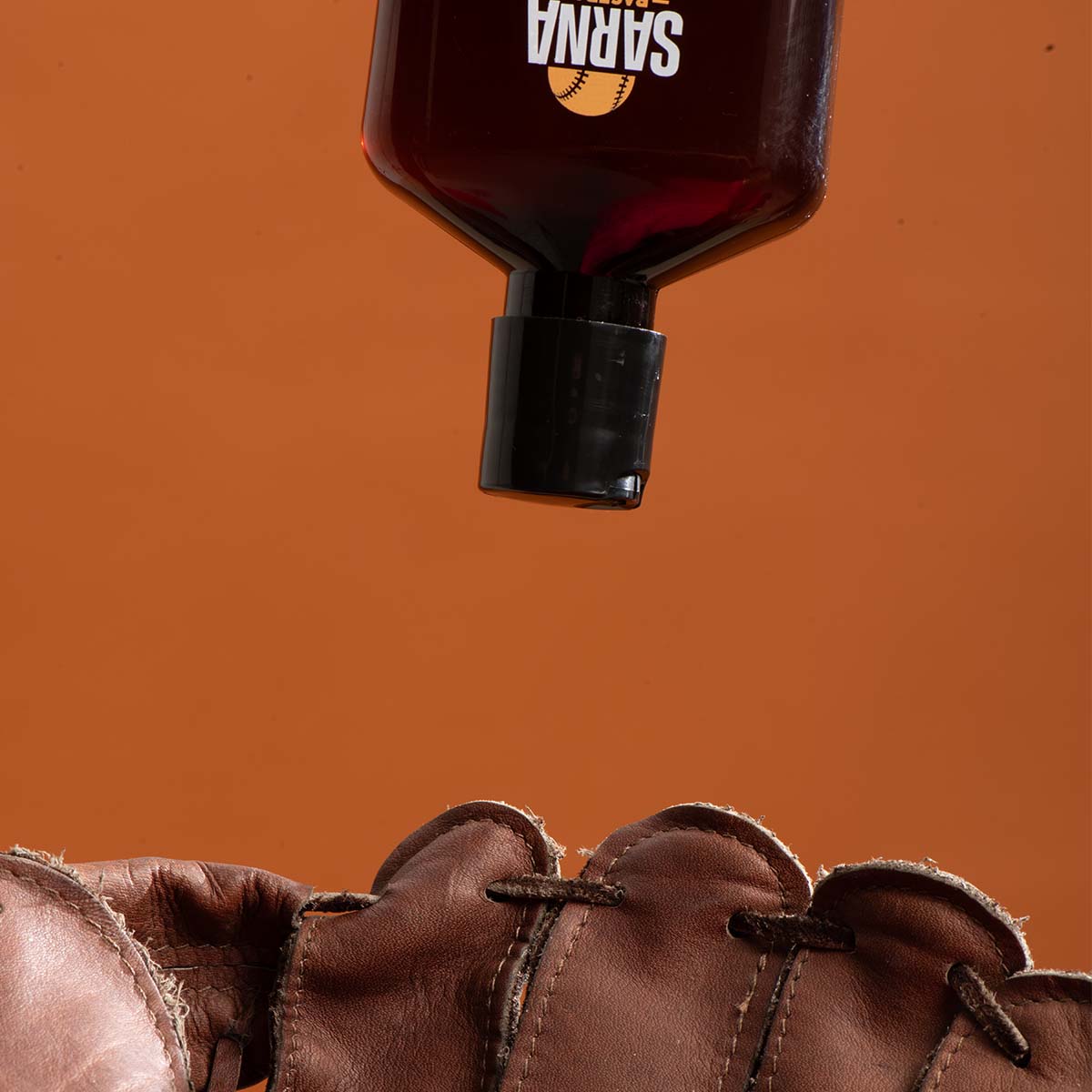
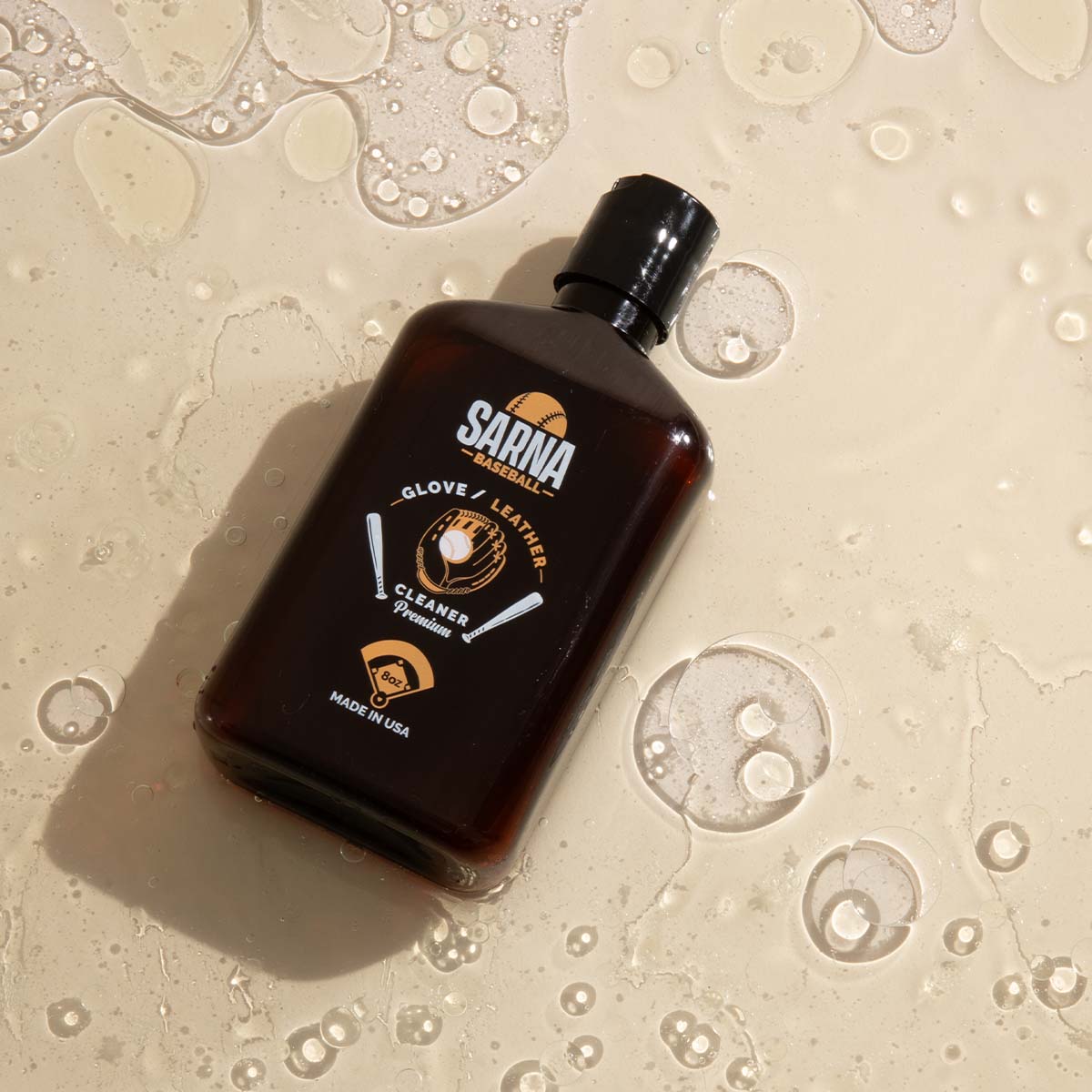
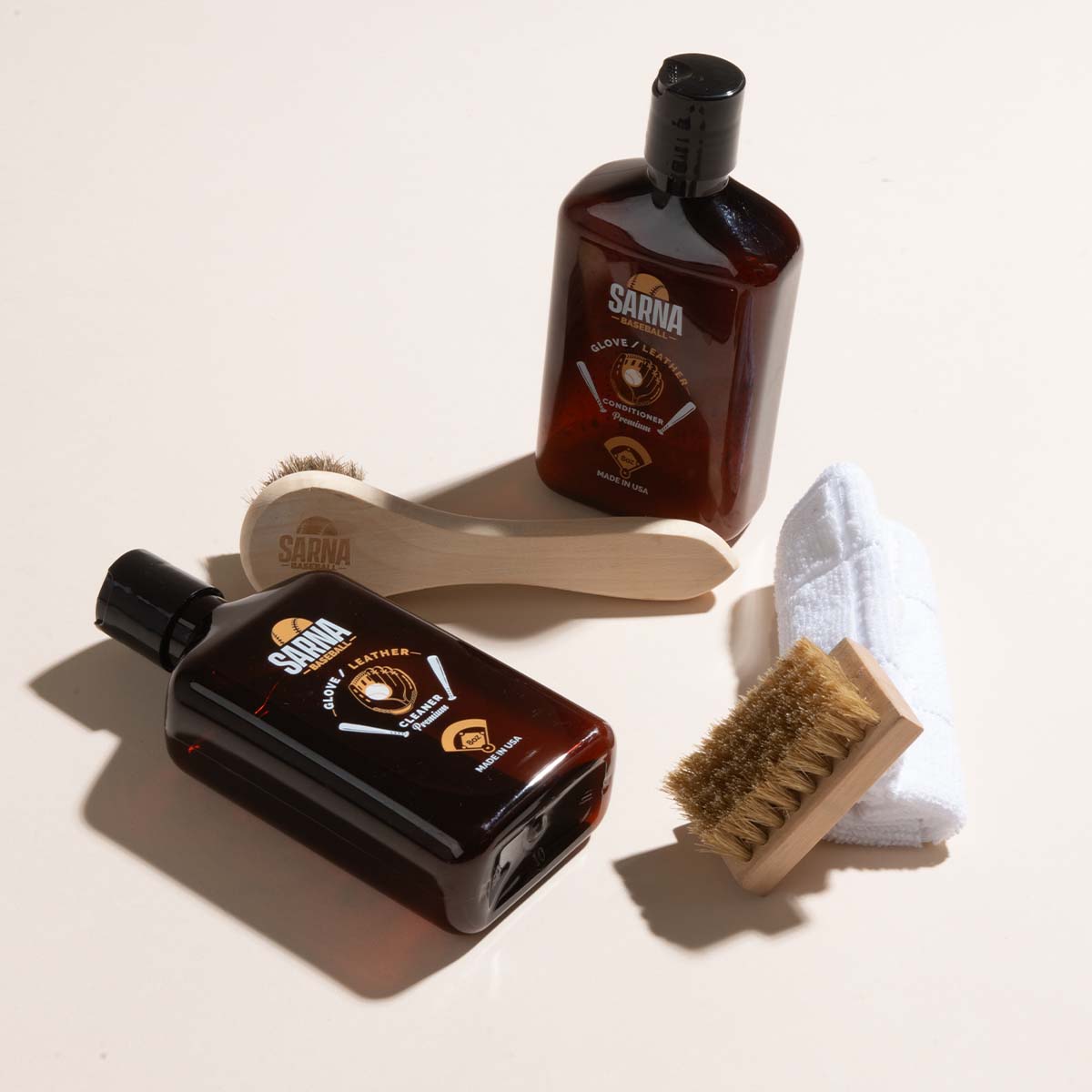
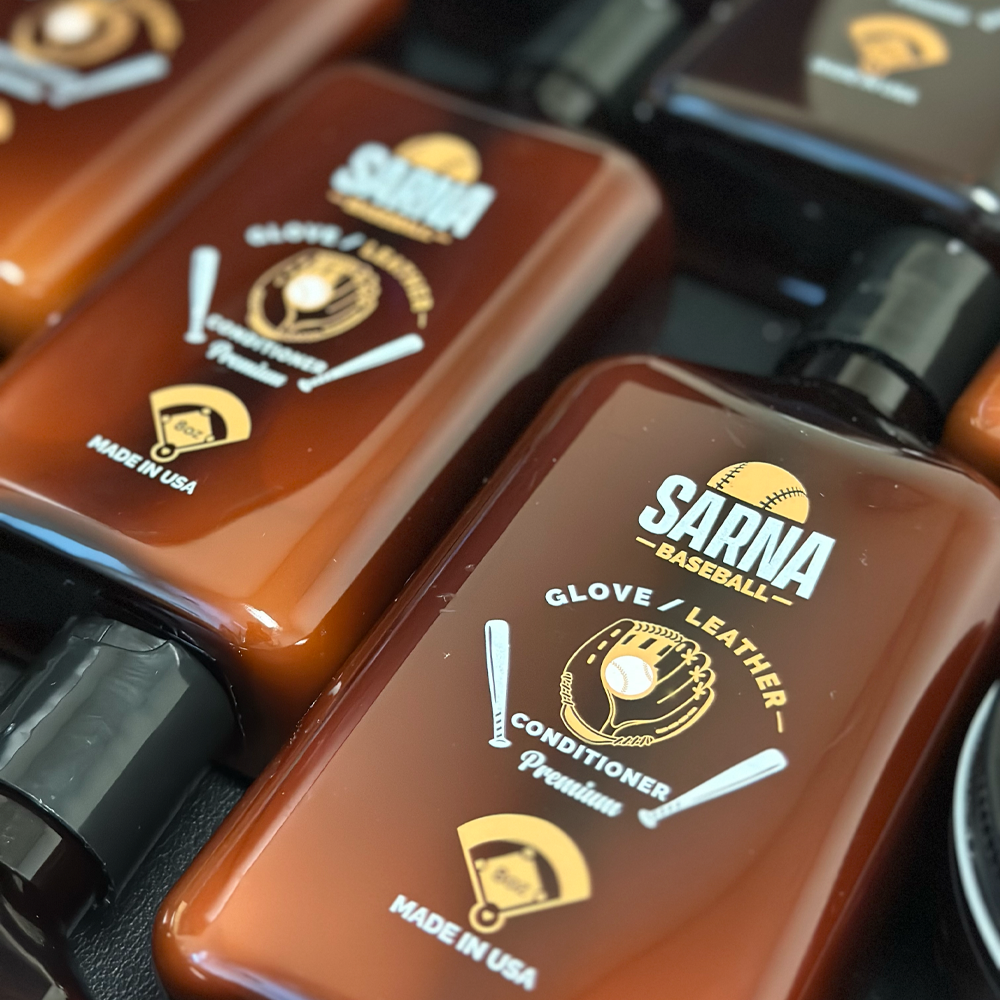
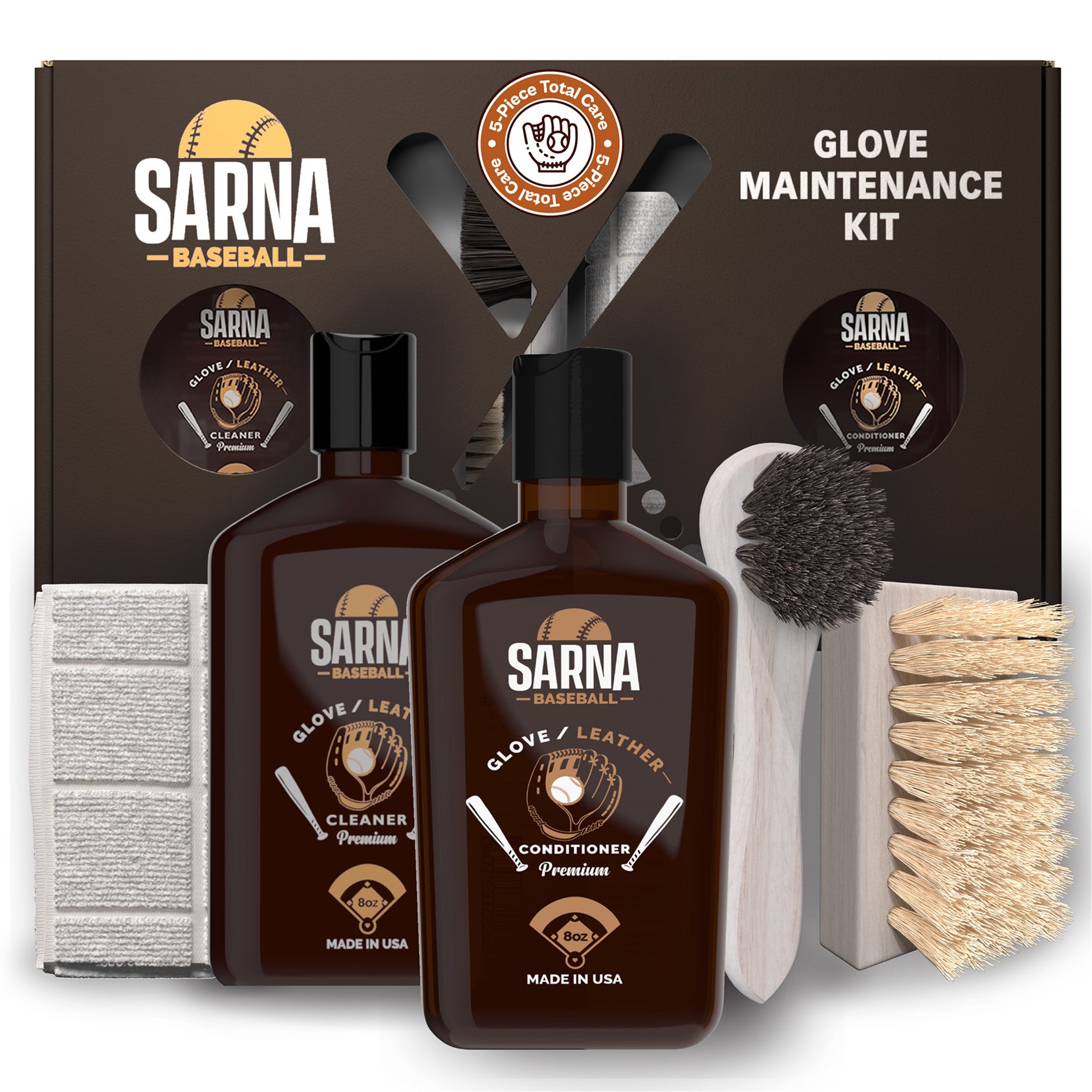
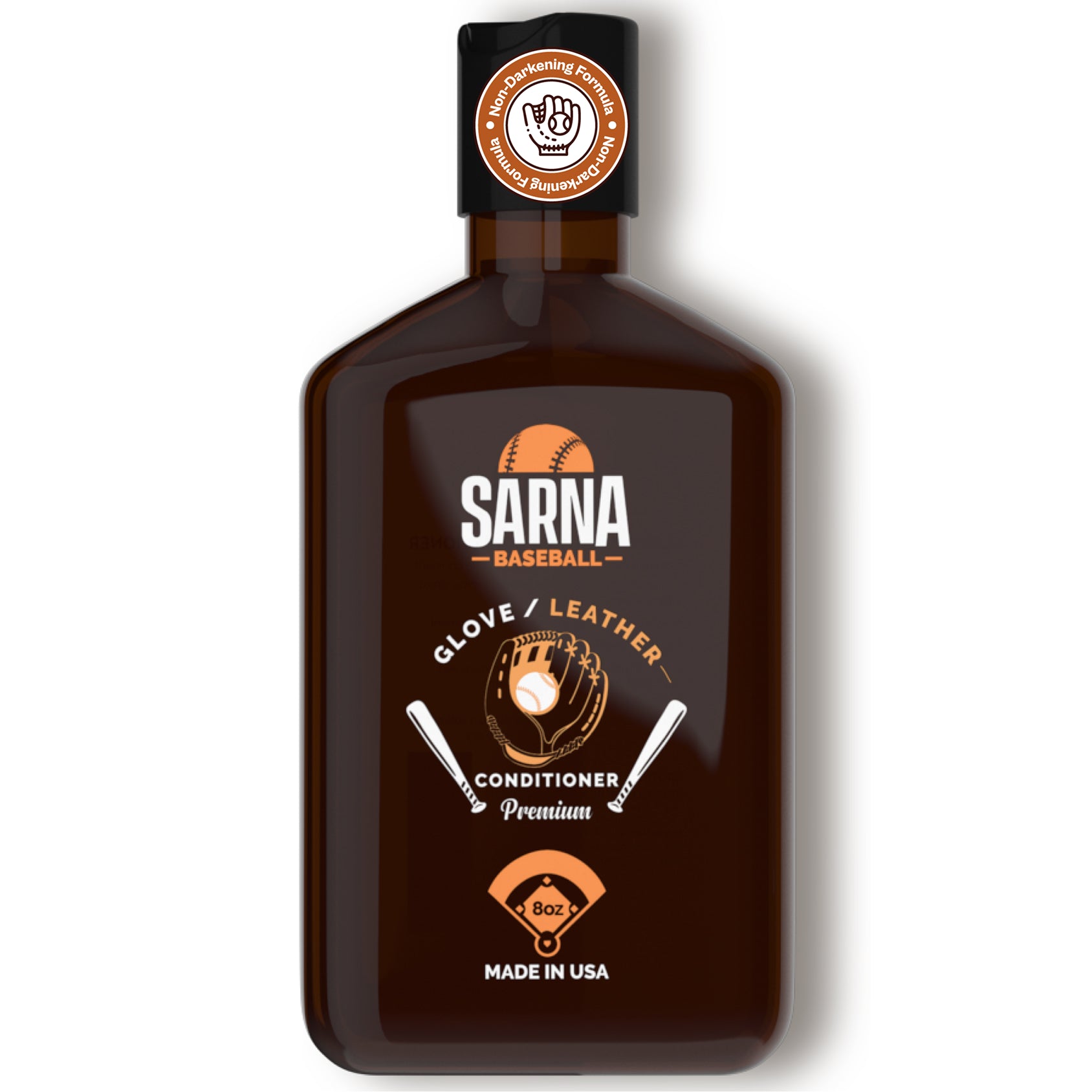
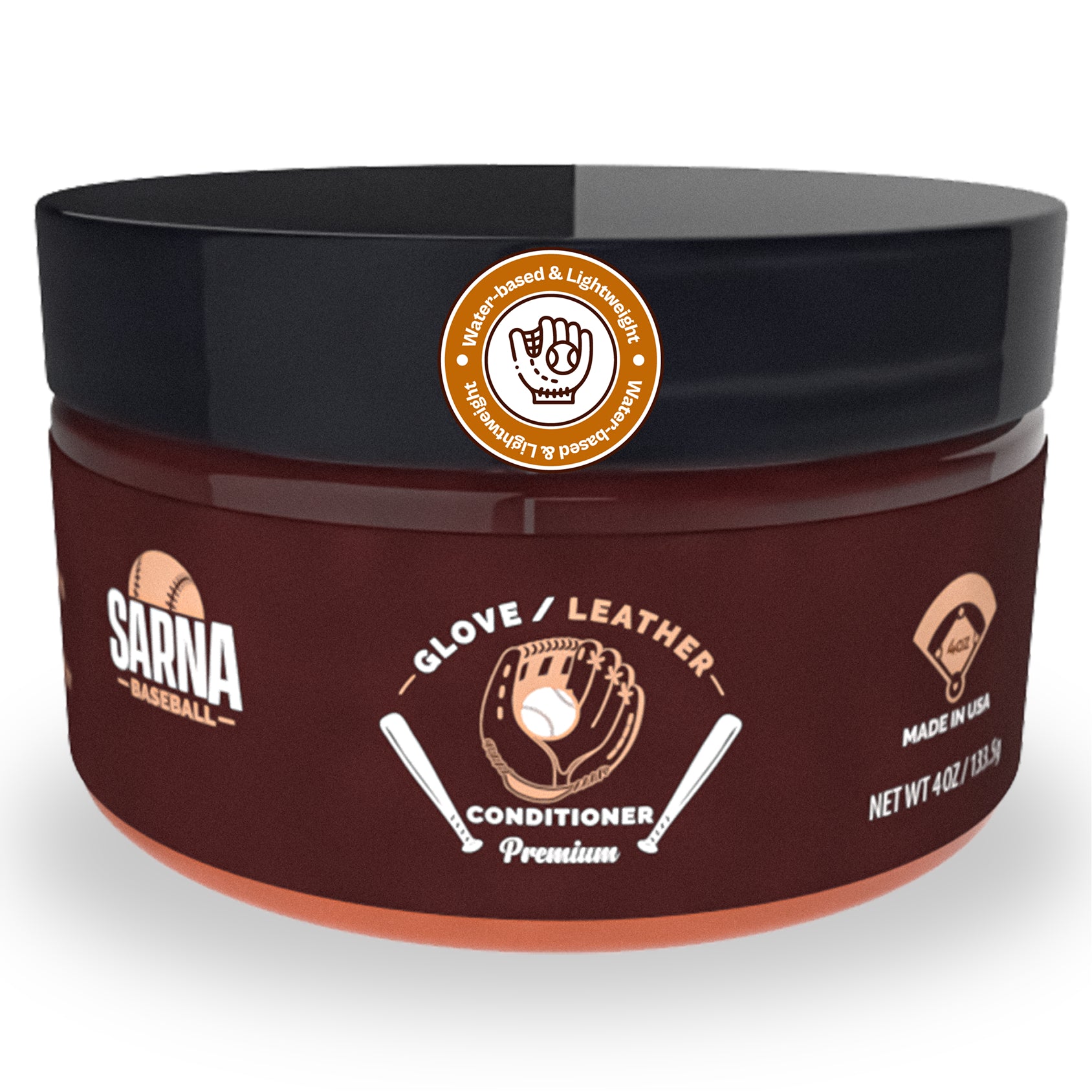
For breaking in and caring for your glove, choose a conditioner made without heavy oils or waxes. Our water-based Sarna Leather Conditioner and Sarna Conditioner Cream soften and protect the leather without buildup, residue or darkening. Softball players can use our Softball Glove Leather Conditioner and Softball Conditioner Cream.
New to conditioning? Read how glove conditioner works and how to use it, or learn more about why heavy oils are bad for leather.
Frequently Asked Questions
Is glove oil bad for a baseball glove?
Heavy oils and waxes build up in the leather over time, clogging its pores, adding weight and darkening it. A conditioner made without heavy oils or waxes softens the glove without those drawbacks, which is why we recommend it instead.
Can conditioner break in a new glove?
Yes. Conditioner softens stiff new leather. Combine it with a mallet, a ball in the pocket and plenty of catch. See our step-by-step break-in guide.
My glove already has oil buildup. What should I do?
Clean it with a cleaner made for glove leather to lift surface residue and dirt, let it dry fully, then switch to a light coat of conditioner from then on. See how to clean a baseball glove.

Leave a comment
All comments are moderated before being published.
This site is protected by hCaptcha and the hCaptcha Privacy Policy and Terms of Service apply.